From Concept to Machine: Inside the Making of ThreshWorks
Building ThreshWorks has never been just about having an idea — it has been about turning that idea into something real, functional, and ready for the field.
After understanding the challenges farmers face with rice threshing, we moved into the design phase with a clear goal: to create a machine that is not only efficient, but also practical for the environments in which it will be used. Every decision, from structure to material selection, was guided by what we observed during our field research and the realities of local farming conditions.
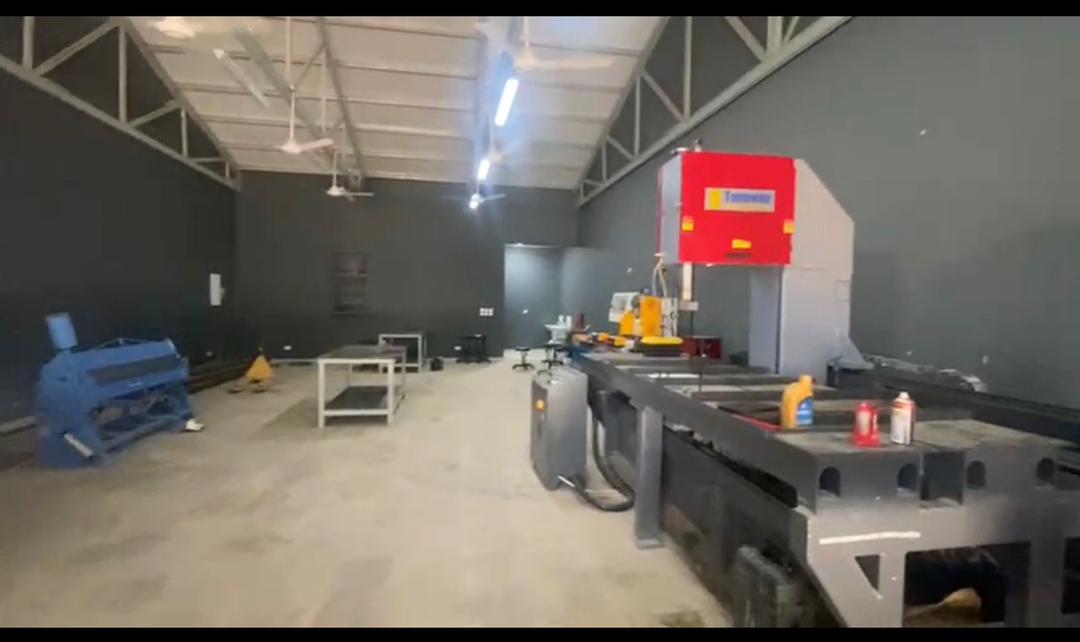
The transition from design to manufacturing has been one of the most defining stages of our journey. Working with locally sourced materials, we began fabricating the core components of the machine — the frame, the drum, and the concave system — each playing a critical role in performance and efficiency.
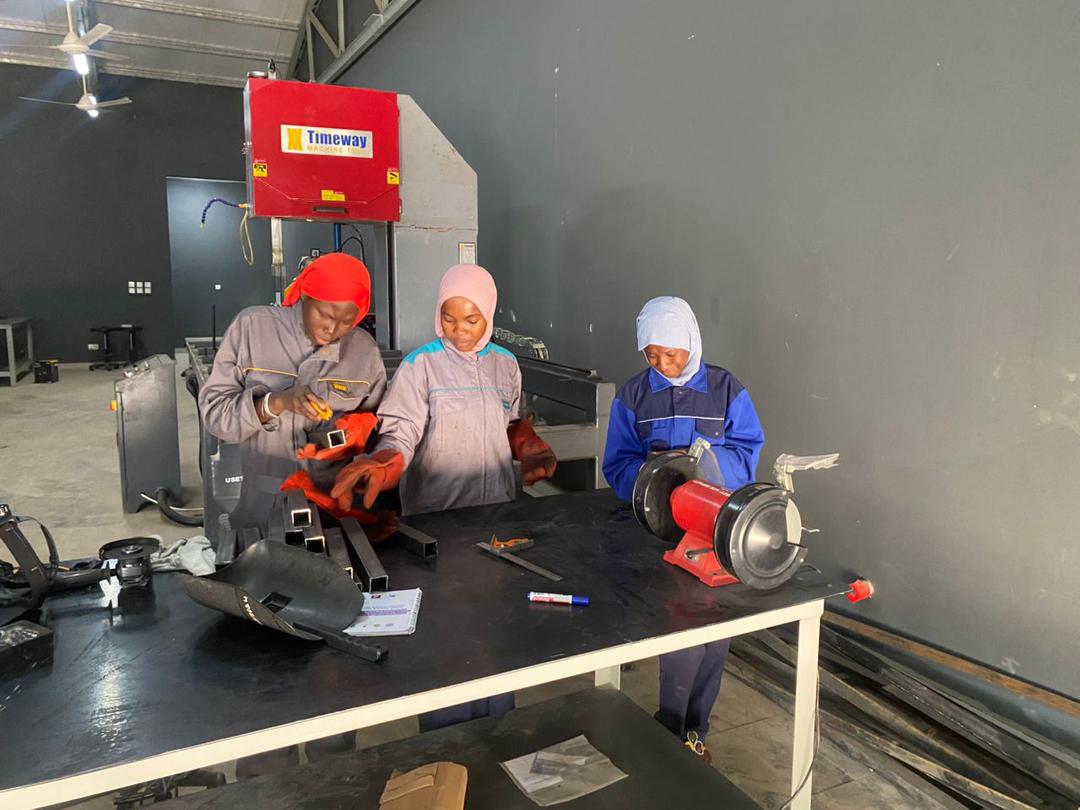
This process has required continuous learning and adjustment. From refining measurements to ensuring proper alignment and structural stability, every step has been iterative. Challenges have been part of the process, but so has progress. Seeing individual components come together into a working system has been both technical and deeply rewarding.
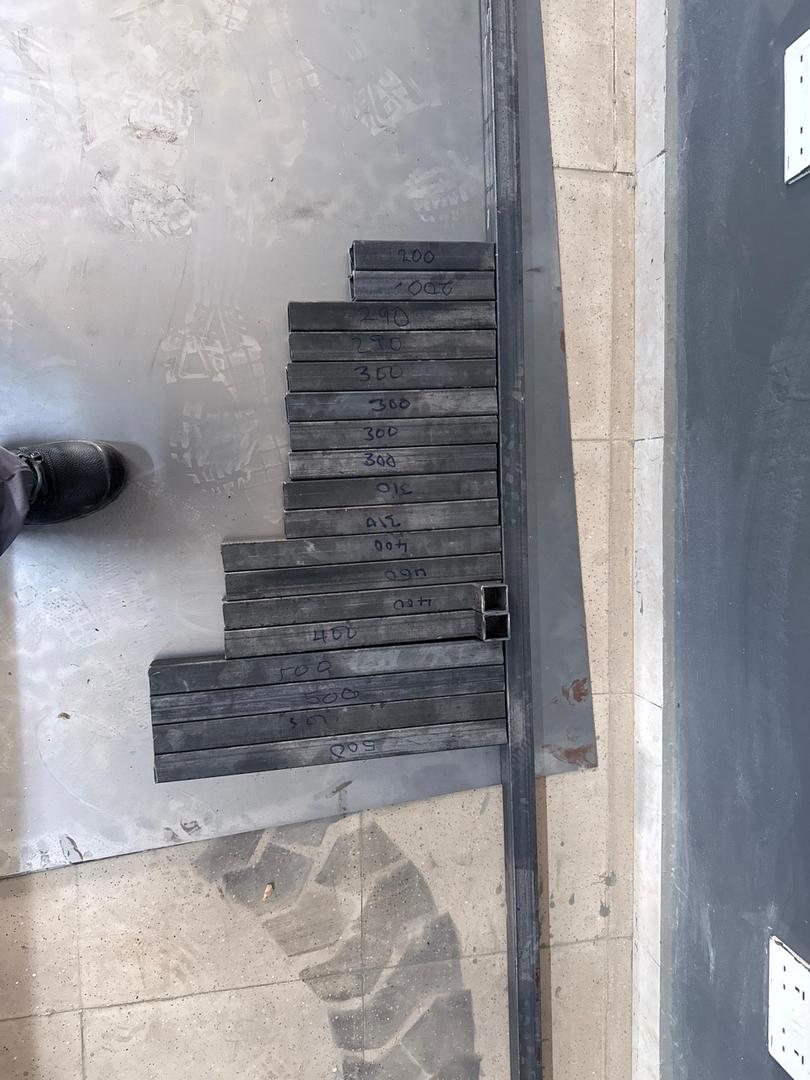
What makes this stage even more meaningful is that the machine is not being built in isolation. It is being shaped by real feedback, real constraints, and real needs. This is not just manufacturing — it is problem-solving in its most practical form.
As we move closer to completing our prototype, we are not just building a machine. We are building a solution that reflects the voices of farmers, the realities of the field, and our commitment to making agricultural mechanization more accessible.
And this is only the beginning.